Stories That Breathe Through Place

Today we explore Biophilic Storytelling: Weaving Local Ecology into Interior Experiences, inviting architecture and interiors to speak the language of nearby hillsides, river bends, migrating birds, and familiar winds. Imagine stepping inside and immediately sensing patterns shaped by your region’s light, soils, and cultural memories. This approach builds a living narrative that feels intimate and restorative, not imposed. From entry threshold to quiet corner, materials, textures, sounds, and scents collaborate like characters in a novel, guiding attention, softening stress, and reconnecting daily routines with the ecosystems that sustain them. As you read, picture your own neighborhood’s life pulsing gently through your walls.

Listening to the Landscape

Design begins with humility: slowing down enough to hear the water table whisper underfoot, to watch shadows migrate across façades, and to learn how local species nest, forage, and rest. By gathering observations before drawing a single line, interiors can honor patterns that already work. This listening practice strengthens collaboration with biologists, gardeners, foragers, and historians, making each detail feel earned rather than decorative. When spaces echo the cadence of their setting, people settle more quickly, notice more keenly, and care more deeply for what surrounds them. This is how a room becomes a neighbor, not a stranger.

Mapping Waters, Winds, and Soils

Begin with layered maps that trace stormwater paths, prevailing winds, and soil ecologies. These quiet forces decide where moss thrives, how fog rolls in, and which windows deserve shading. Translating such evidence into interior moves—like cooler seating near cross‑ventilation corridors, porous thresholds for mudrooms, or plantings that capture runoff—creates comfort without gadgets. The result is a choreography aligned with the land’s subtle preferences, helping occupants move intuitively while reducing mechanical reliance and revealing seasonal characters most projects overlook.

Field Notes with Community Elders

Invite fishers, gardeners, tribal knowledge keepers, and longtime residents to share observations about tides, pollinators, and ceremonial plants. Their stories enrich plans beyond measurements, guiding material choices with meanings formal surveys miss. When an elder’s memory of autumn smoke and cedar becomes a gentle scent note in a reading nook, or a remembered bird migration informs glazing protection, the space gains social roots. Such counsel prevents token gestures, builds trust, and turns interiors into meeting grounds for intergenerational wisdom that keeps place alive daily, not only on opening night.

Material Narratives That Age Gracefully

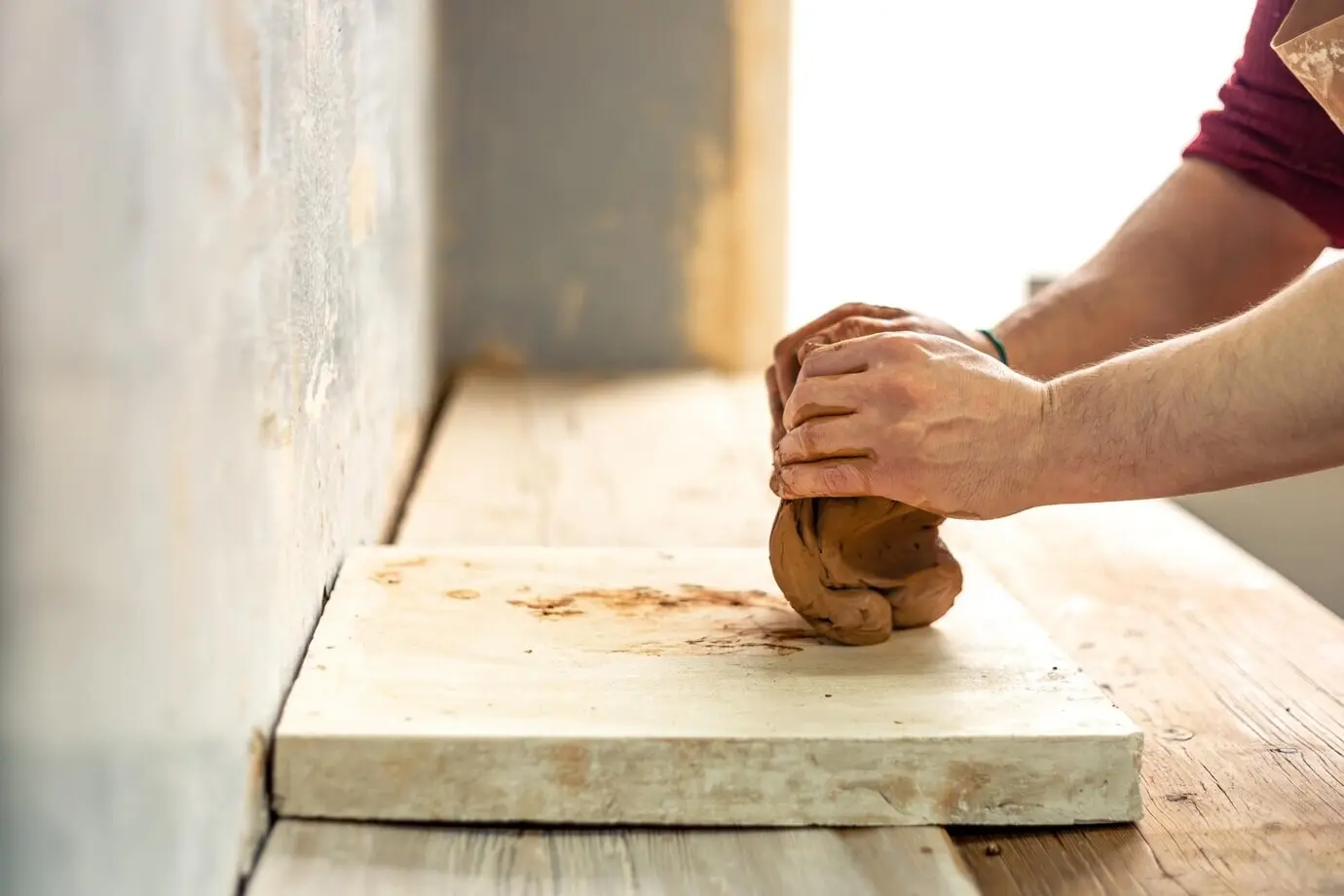
Local materials hold embedded stories: river‑smoothed stones, orchard prunings, reclaimed pier timbers, clays colored by iron and ash. Chosen thoughtfully, they patina rather than spoil, inviting touch and memory. Biophilic storytelling prefers honest surfaces whose variations are celebrated, not concealed. Finishes should breathe, avoiding films that trap life under plastic. With each season, small changes—sun‑kissed lightening, hand‑polished edges, water‑carved softness—compose a journal written by use. Sourced transparently and crafted with regional artisans, these materials knit economic and ecological health, ensuring beauty remains accountable to its birthplace.

Light, Shadow, and Microclimate

Daylight is narrative fuel, painting rooms with time. By patterning light like a forest canopy—dappled, layered, and moving—we help attention rest and curiosity wake. Thermal and acoustic microclimates give bodies choice: a cool alcove for focused work, a warm niche for reflection, a hushed bench for soft conversations. This gradient of options mirrors ecological edges where diversity flourishes. Instead of uniform brightness and temperature, biophilic storytelling orchestrates contrast, letting senses navigate intuitively. Reducing glare, guiding airflow, and shaping shadows, we craft comfort that is both efficient and poetic.

Stories for the Senses

Place speaks through more than sight. Sound, scent, and touch assemble memories faster than any diagram. By curating an acoustic profile that echoes nearby habitats, weaving aromas of native flora, and inviting durable textures underhand, interiors become legible to the nervous system. Instead of distracting spectacle, the aim is gentle familiarity that anchors attention. This multisensory choreography is not theatrical excess; it is the everyday poetry of cues that help people orient, relax, and engage more deeply with others and their tasks.

Behavior, Wellbeing, and Measurable Impact

Evidence Worth Sharing

Reference landmark findings on daylight and restorative views while treating them as starting points, not slogans. Pair external studies with your own data: reduced sick days after adding operable windows, higher satisfaction when glare is diffused, or more spontaneous collaboration near plant‑rich edges. Celebrate stories, too—a nurse who decompresses beside a moss wall, a student who concentrates better near dappled light. Evidence grows persuasive when numbers and narratives intertwine, demonstrating that care for place reliably returns care for people.

Before–After Ritual Diaries

Reference landmark findings on daylight and restorative views while treating them as starting points, not slogans. Pair external studies with your own data: reduced sick days after adding operable windows, higher satisfaction when glare is diffused, or more spontaneous collaboration near plant‑rich edges. Celebrate stories, too—a nurse who decompresses beside a moss wall, a student who concentrates better near dappled light. Evidence grows persuasive when numbers and narratives intertwine, demonstrating that care for place reliably returns care for people.

Micro‑metrics You Can Track

Reference landmark findings on daylight and restorative views while treating them as starting points, not slogans. Pair external studies with your own data: reduced sick days after adding operable windows, higher satisfaction when glare is diffused, or more spontaneous collaboration near plant‑rich edges. Celebrate stories, too—a nurse who decompresses beside a moss wall, a student who concentrates better near dappled light. Evidence grows persuasive when numbers and narratives intertwine, demonstrating that care for place reliably returns care for people.

From Prototype to Ongoing Story

Prototype, Learn, Iterate

Start small with a test vignette: a shaded reading bay, a reclaimed‑timber kitchenette, or a scent‑mapped entry. Measure how people respond, adjust, and add complexity only when cues feel effortless. Treat missteps as insights, not failures. Publish the journey so others can replicate successes and avoid pitfalls. Prototyping builds consensus, de‑risks investment, and preserves the project’s soul, ensuring that each addition deepens connection to local ecology rather than diluting intent under pressure or novelty.

Launch Moments with Ecology in the Lead

Celebrate openings by honoring the land and communities that informed the work. Invite local naturalists, cultural leaders, and makers to speak, perform, or guide micro‑tours that explain choices from plant palettes to light strategies. Gift a small field guide to occupants so they can continue exploring. When the ribbon‑cutting centers gratitude rather than spectacle, people recognize their role as stewards. The space begins its life with relationships already woven, making future adaptations feel like caring conversations, not disruptive revisions.

Join the Circle and Share Your Place

We would love to hear how your interiors engage with nearby wetlands, deserts, forests, or city trees. Comment with photos, sketches, or short stories of materials that carry local meaning. Subscribe for monthly notes featuring case studies, community interviews, and simple experiments you can try tomorrow. Your experiences help refine methods, reveal blind spots, and amplify the joy of designing with, not against, living systems. Together we can grow a library of practices that keep places distinct, healthy, and loved.
Tivevemolokihipuho
Privacy Overview

This website uses cookies so that we can provide you with the best user experience possible. Cookie information is stored in your browser and performs functions such as recognising you when you return to our website and helping our team to understand which sections of the website you find most interesting and useful.